

NASA Atlas LV-3B Mercury-Atlas 1
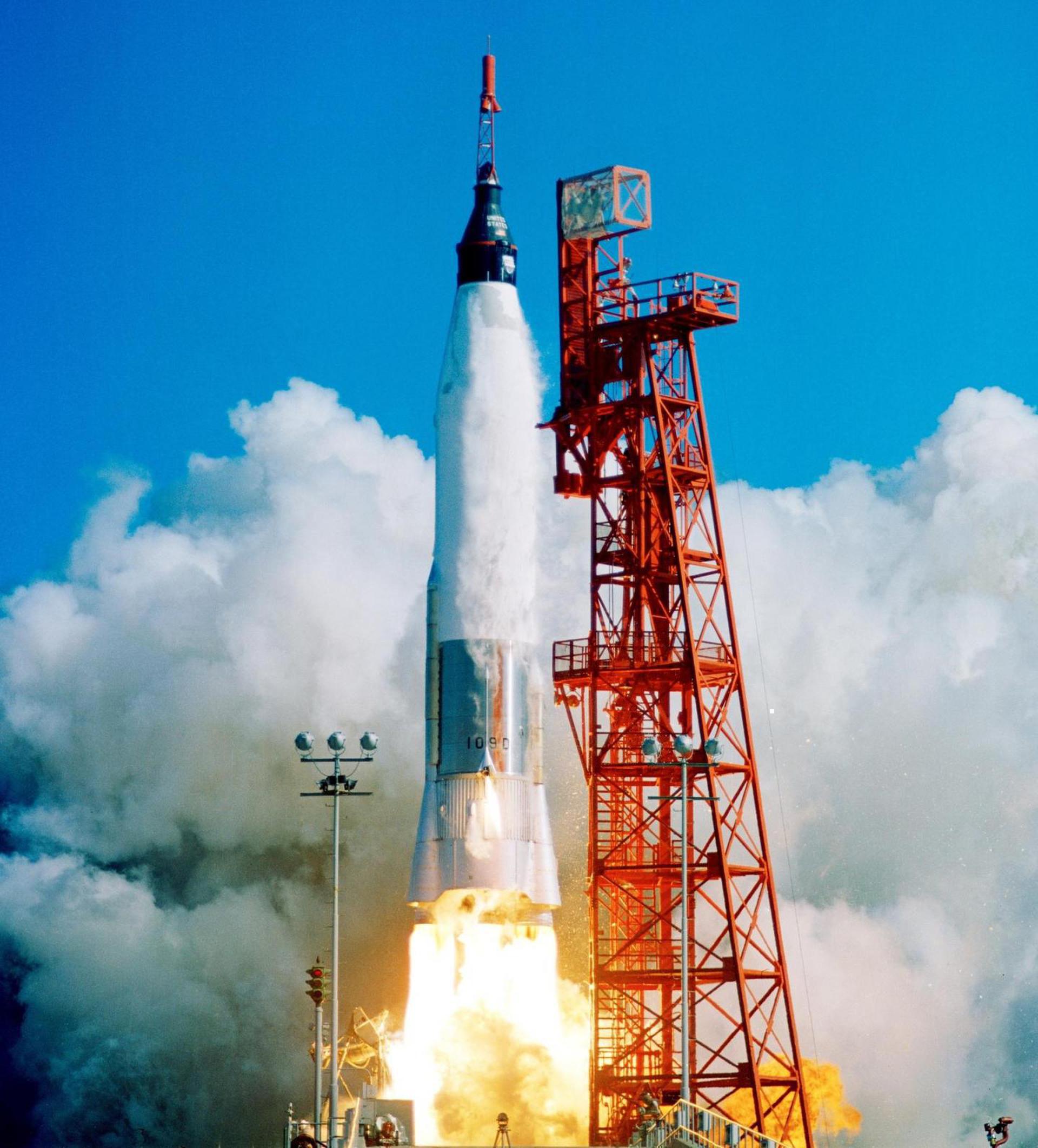
Atlas LV-3B


Status
Failure
Date
29 JUL 1960
13:13
Launch Provider

National Aeronautics and Space Administration
Launch Pad
Space Launch Complex 14
Cape Canaveral SFS, FL, USA
Mission Overview
Mercury-Atlas 1 (MA-1) was the first attempt to launch a Mercury capsule and occurred on July 29, 1960 at Cape Canaveral, Florida. The spacecraft was unmanned and carried no launch escape system. The Atlas rocket suffered a structural failure 58 seconds after launch at an altitude of approximately 30,000 feet (9.1 km) and 11,000 feet (3.4 km) down range.
Rocket
Atlas LV-3B
Mission Type
Test Flight
Orbit
Suborbital
Stages
1
Livestream
Not availableRocket Details
The Atlas LV-3B, Atlas D Mercury Launch Vehicle or Mercury-Atlas Launch Vehicle, was a human-rated expendable launch system used as part of the United States Project Mercury to send astronauts into low Earth orbit. Manufactured by American aircraft manufacturing company Convair, it was derived from the SM-65D Atlas missile, and was a member of the Atlas family of rockets.
Height
28.7 m
Diameter
3 m
Launch Mass
120 T
Thrust
1,300 kN