space launch system

space flight

spacex

spacex launch

space launches

space launches today

space launch today

space launch

rocket

launches

rocket launch

launch

rocket ship

launched

space rockets

nasa calendar

nasa launch

launch rocket

space

space-realm-img

advancing space interest and tracking

loading-svg

LAUNCHES

LAUNCHES - ALL

LAUNCHES - UPCOMING

LAUNCHES - PAST

LAUNCHES - LIVE

CALENDAR

CALENDAR - LAUNCHES

NEWS

NEWS - ALL

LAUNCH SITES

LAUNCH SITES - LIST

LAUNCHERS

LAUNCHERS - ALL

SPACECRAFT

SPACECRAFT - ALL

COMPANIES

COMPANIES - ALL

OFFLINE Refresh to see new data

Pegasus XL Nuclear Spectroscopic Telescope Array (NuSTAR) - space launch mission detailed information

When is Pegasus XL Nuclear Spectroscopic Telescope Array (NuSTAR)? Launch date 13/JUN/2012 — Pegasus XL rocket launch by Orbital Sciences Corporation from Kwajalein Atoll.

Pegasus XL Nuclear Spectroscopic Telescope Array (NuSTAR) launch date, launch time, live countdown, live stream and mission status (Success) — tracked on Space Realm.

LAUNCH MISSION

Pegasus XL Nuclear Spectroscopic Telescope Array (NuSTAR)
Status

Success

DATE

13 JUN 2012

LAUNCH PROVIDER

Orbital Sciences Corporation logo — launch provider of Nuclear Spectroscopic Telescope Array (NuSTAR)

Orbital Sciences Corporation

external-link-icon-img

Launch Pad

Kwajalein Atoll

??? flag — Kwajalein Atoll launch site external-link-icon-img

Description

Designed to image high-energy X-ray radiation, the Nuclear Spectroscopic Telescope Array (NuSTAR) is tasked with surveying regions surrounding the center of own Milky Way Galaxy and performing deep observations of the extragalactic sky, studying black holes and supernovas.

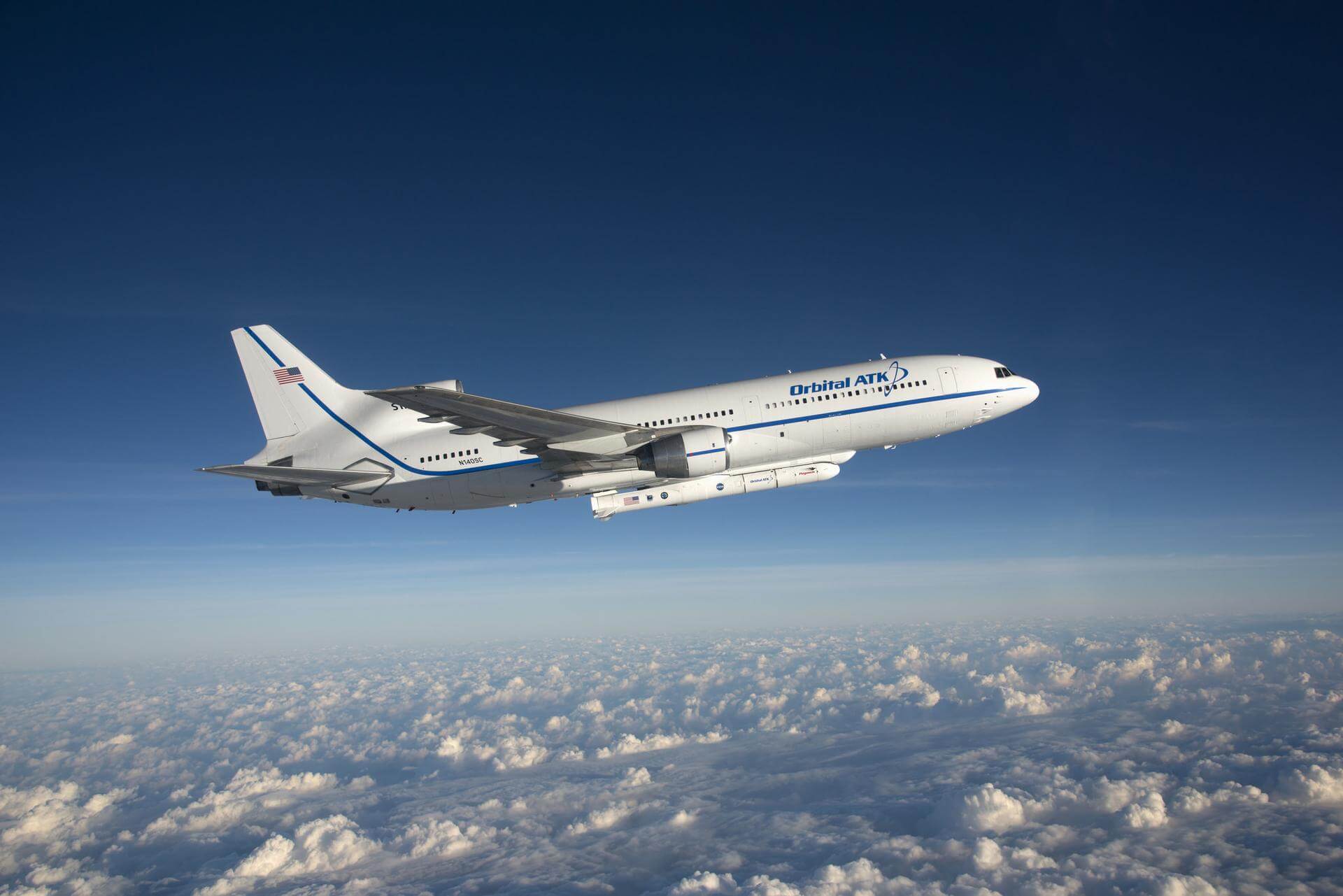
Pegasus XL rocket used for the Nuclear Spectroscopic Telescope Array (NuSTAR) space launch

Pegasus XL

USA flag — Pegasus XL rocket external-link-icon-img

Rocket Description

The Pegasus is an air-launched rocket developed by Orbital Sciences Corporation (now part of Northrop Grumman Innovation Systems). Capable of carrying small payloads of up to 443 kilograms (977 lb) into low Earth orbit, the vehicle consists of three solid propellant stages and an optional monopropellant fourth stage. Pegasus is released from its carrier aircraft at approximately 40,000 ft (12,000 m), and its first stage has a wing and a tail to provide lift and attitude control while in the atmosphere.

Version: 2.8.0

© 2021-2026 SpaceRealm. All rights reserved. ​​