

RFSA Soyuz 2.1b Fregat-M Luna 25
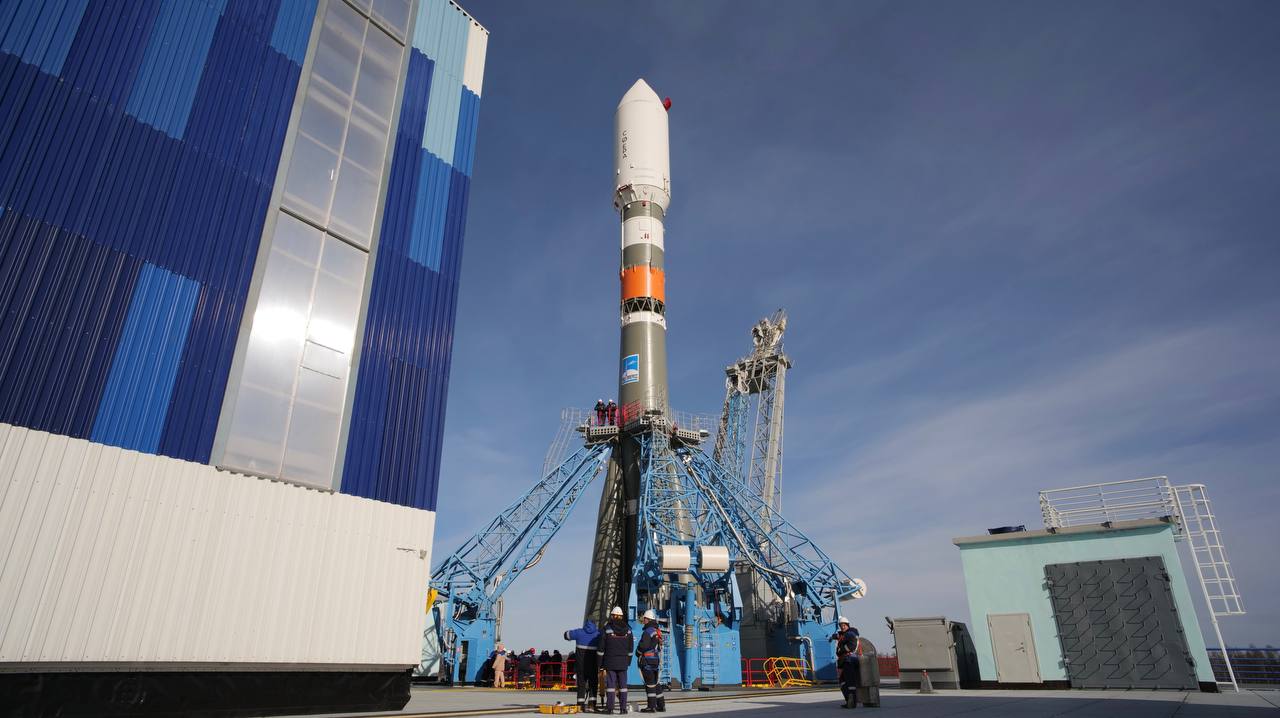
Soyuz 2.1b Fregat-M


Status
Success
Date
10 AUG 2023
23:10
Launch Provider

Russian Federal Space Agency (ROSCOSMOS)
Launch Pad
Cosmodrome Site 1S
Vostochny Cosmodrome, Siberia, Russian Federation
Mission Overview
Luna 25 (ex-Luna-Glob) was a lunar lander mission by the Russian Federal Space Agency (Roscosmos) that crashed into the lunar surface after an anomalous orbital maneuver placed it on a collision trajectory towards the Moon. It was scheduled to land near the lunar south pole at the Boguslavsky crater to prove lunar landing technology. The mission carried 30 kg of scientific instruments, including a robotic arm for soil samples and possible drilling hardware. It was planned to remain active for at least one year on the lunar surface.
Rocket
Soyuz 2.1b Fregat-M
Mission Type
Lunar Exploration
Orbit
Lunar Orbit
Stages
4
Livestream
Rocket Details
Soyuz-2, GRAU index 14A14, is the collective designation for the 21st-century version of the Russian Soyuz rocket. In its basic form, it is a three-stage carrier rocket for placing payloads into low Earth orbit. The first-stage boosters and two core stages feature uprated engines with improved injection systems, compared to the previous versions of the Soyuz. Digital flight control and telemetry systems allow the rocket to be launched from a fixed launch platform, whereas the launch platforms for earlier Soyuz rockets had to be rotated as the rocket could not perform a roll to change its heading in flight.
Height
46.3 m
Diameter
10.3 m
Launch Mass
313 T
Thrust
4,150 kN